Lake Louise -The History and Legacy
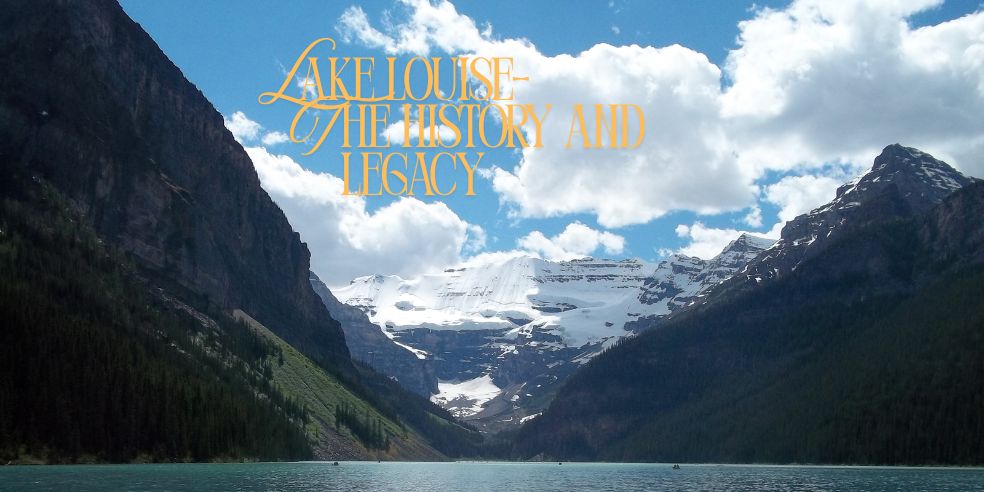
Lake Louise is one of the most famous glacial lakes in Canada, nestled within Banff National Park, Alberta. It is celebrated for its striking turquoise waters, a color created by fine rock flour carried into the lake from nearby glaciers. Beyond its natural beauty, Lake Louise carries with it a layered history of Indigenous presence, colonial transformation, and a legacy of international tourism.
Indigenous Roots
Long before European explorers arrived, the Stoney Nakoda First Nations called the lake Ho-run-num-nay, meaning “Lake of the Little Fishes.” For the Nakoda, the lake and its surrounding peaks were part of a sacred and resource-rich landscape. The area was also rich in wildlife allowing for hunting, fishing, as well as gathering.
The Nakoda call themselves the Îyârhe Nakoda, or “Mountain People.” For centuries, they lived throughout the foothills and eastern slopes of the Canadian Rockies. Their traditional territory encompasses much of what is now Banff, Jasper, Kootenay, and Yoho National Park. Today, these areas draw millions of visitors but were once home to generations of Indigenous peoples whose deep connection to the land remains.
Displacement and Renaming
The arrival of the Canadian Pacific Railway (CPR) in the late 1800s changed this landscape dramatically. When Banff National Park was established in 1885 as Canada’s first national park, Indigenous peoples, including the Nakoda, were displaced from their traditional lands. Hunting, fishing, and gathering were prohibited, effectively severing their ability to sustain their way of life within these mountains.
In 1882, a CPR surveyor renamed the lake after Princess Louise Caroline Alberta, the fourth daughter of Queen Victoria. The province of Alberta would later bear her name as well.
The Railway Era and Luxury Tourism
Visionaries at the CPR quickly recognized that the Rockies could become a powerful draw for international visitors. Their strategy was simple but ambitious: if the railway could not export the scenery, they would import the tourists.
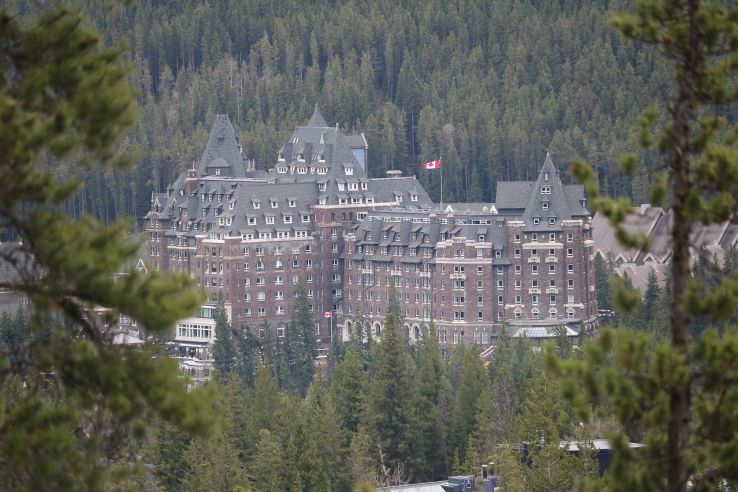
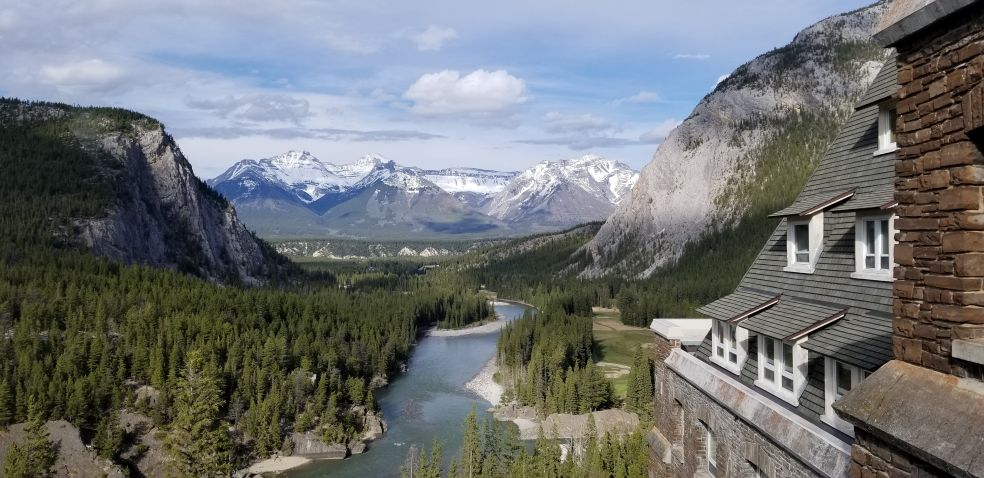
In 1888, the CPR opened the grand Banff Springs Hotel, perched above the Bow and Spray Rivers. Just two years later, in 1890, they built the first Chalet Lake Louise on the shores of the glacial lake. Though modest at first, the chalet grew into the iconic Fairmont Château Lake Louise.
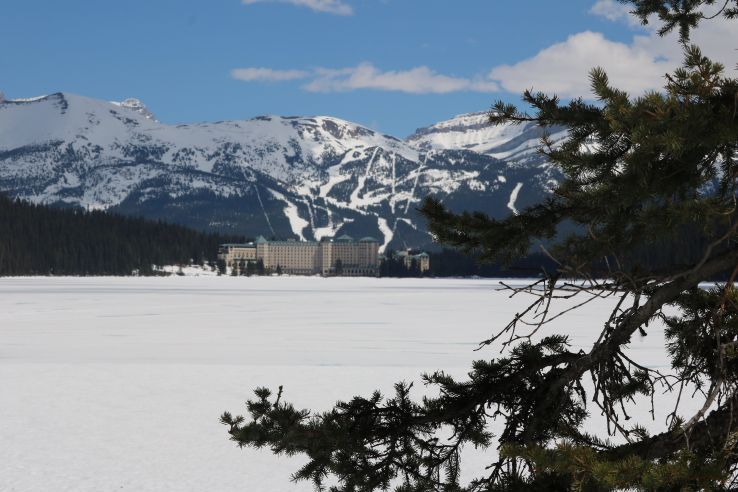
Together, the Banff Springs Hotel and Château Lake Louise became sister properties designed to promote luxury tourism in the Canadian Rockies. Nicknamed the “Castle in the Rockies” and the “Diamond in the Wilderness,” these hotels attracted wealthy international travelers eager to experience alpine grandeur. They anchored the early tourism economy of Banff National Park. Thus, they cemented the Rockies’ reputation as the “Playground of the Dominion.”
Tourism Growth in the Early 20th Century
By the early 1900s, Lake Louise had become a hub for mountaineering, skiing, and hiking. The CPR even brought in Swiss mountain guides to teach climbing and lead expeditions. This introduced European alpine traditions to the Canadian Rockies. Adventure and elegance went hand in hand: visitors could scale dramatic peaks by day and return to fine dining and luxury accommodations by night.
Lake Louise Today
Today, Lake Louise forms part of the UNESCO World Heritage–designated Canadian Rocky Mountain Parks. It remains one of the most photographed natural landscapes in the world. This area is renowned for year-round recreation: canoeing and hiking in summer, skiing and ice skating in winter.
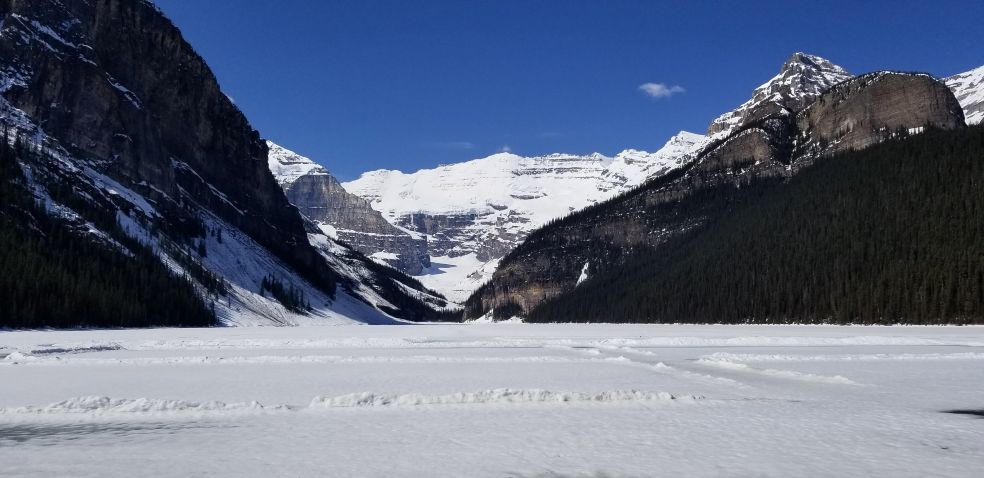
In recent decades, there has been a movement toward recognition and reconciliation. The Nakoda and other First Nations are increasingly invited to share their stories, language, and cultural knowledge. In doing so, this has helped restore awareness of their enduring ties to this land.
Lake Louise continues to embody both natural wonder and human history. It is place where the shimmering waters reflect not only towering peaks but also cultural legacies. These legacies, past and present, shape this extraordinary corner of Canada.