From Stonehenge to Bath: Ancient Mysteries and Roman Splendor
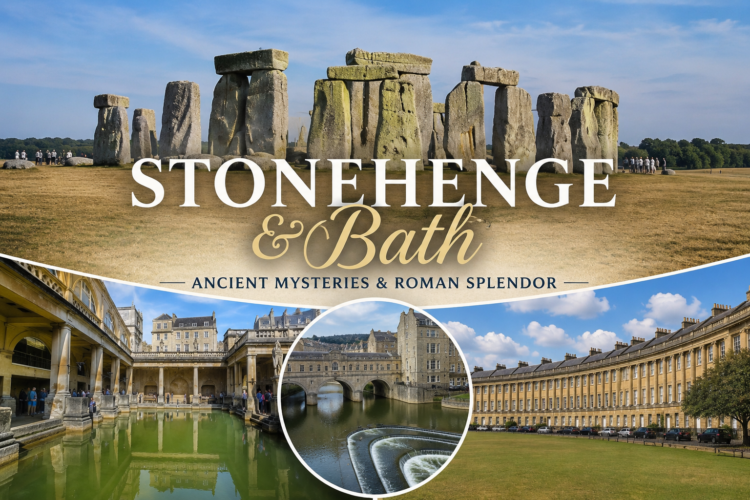
There are some travel days that seem to span thousands of years of history. Our journey from Stonehenge to Bath did exactly that, taking us from one of the world’s greatest prehistoric mysteries to one of England’s most elegant Roman and Georgian cities. From ancient stone circles to Roman baths and magnificent architecture, the day offered an unforgettable glimpse into England’s remarkable past.
Standing Before Stonehenge
Leaving London behind, we made our way west toward one of the world’s most famous prehistoric monuments: Stonehenge.
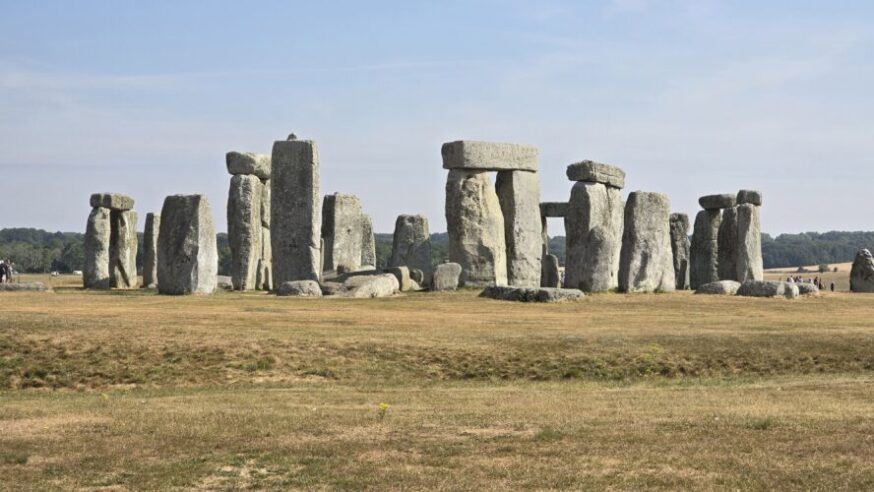
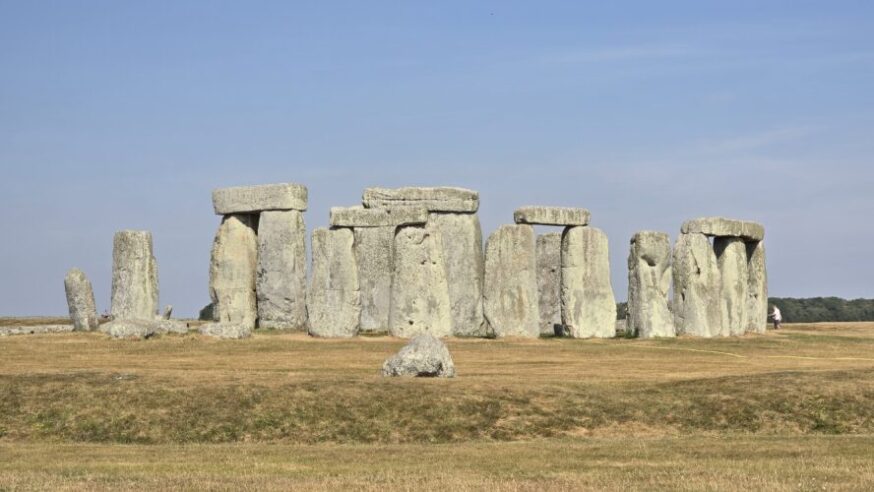
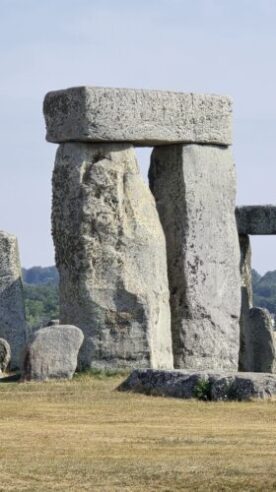
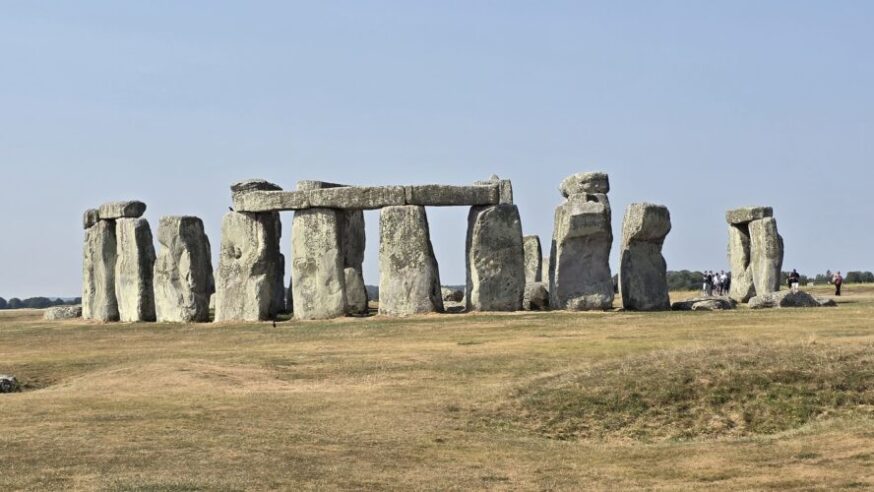
Although we had seen countless photographs over the years, nothing compares to seeing the enormous standing stones in person. Perched atop a gentle rise overlooking miles of rolling countryside, Stonehenge has an almost mystical presence. The wide-open landscape only adds to the feeling that this extraordinary place was carefully chosen thousands of years ago.
Built more than 4,500 years ago, Stonehenge continues to puzzle historians and archaeologists alike. Was it a place of worship? An astronomical calendar? A ceremonial gathering place? No one knows for certain, and that mystery is part of what makes the monument so captivating.
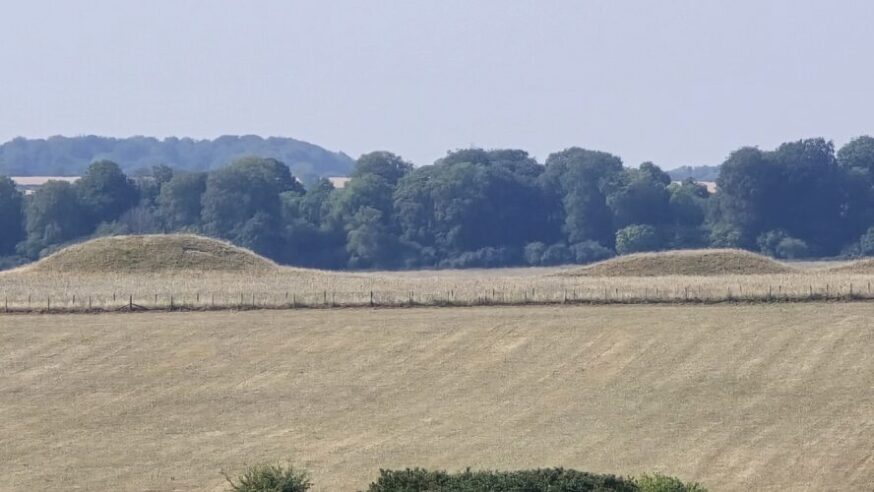
Beyond the famous stone circle, the surrounding landscape is filled with ancient burial mounds and traces of other prehistoric earthworks, suggesting Stonehenge was only one part of a much larger ceremonial complex. Standing there, it was easy to imagine generations of people gathering on these same hills thousands of years before recorded history.
 Stonehenge
- Stonehenge
- Stonehenge
- Stonehenge
- Burial mounds near Stonehenge
Discovering the Roman City of Bath
After leaving Stonehenge, our journey continued to the beautiful city of Bath, where we met our guide, Lilly, for a walking tour through one of England’s most elegant and historic cities. Lilly explained that Bath’s story began around 8,000 B.C., when people first settled around its naturally occurring hot springs. The city became truly significant after the Roman conquest of Britain in 43 A.D., when the Romans developed the springs into Aquae Sulis—a sanctuary dedicated to rest, healing, and relaxation. The impressive bath and temple complex they constructed laid the foundation for the city that still attracts visitors today.
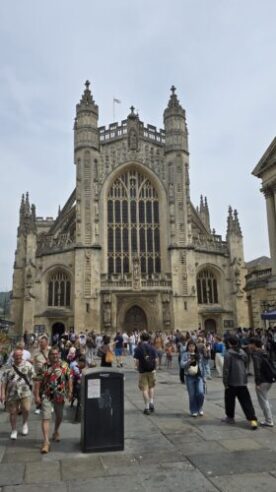 Bath Abbey
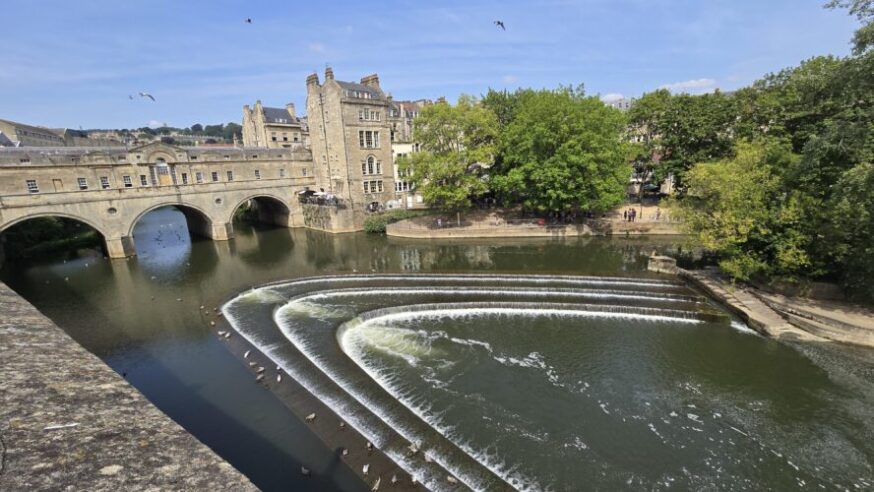 Pulteney Bridge
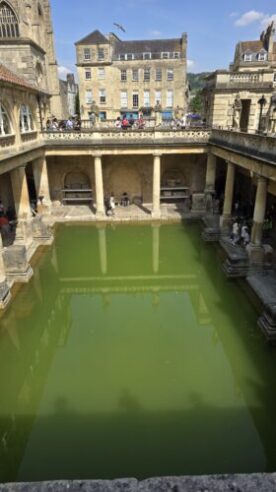 The main pool in The Roman Baths
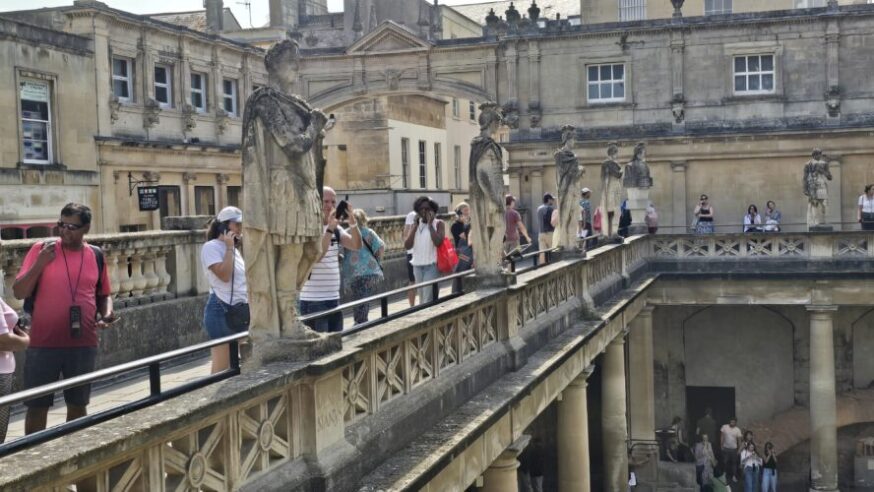 Roman sculptures surround the main pool in The Roman Baths
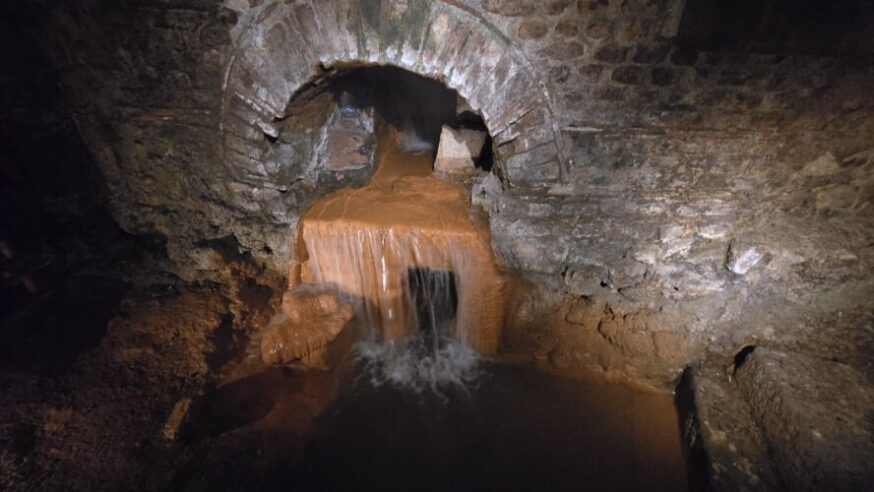 Hot springs overflow inside The Roman Baths
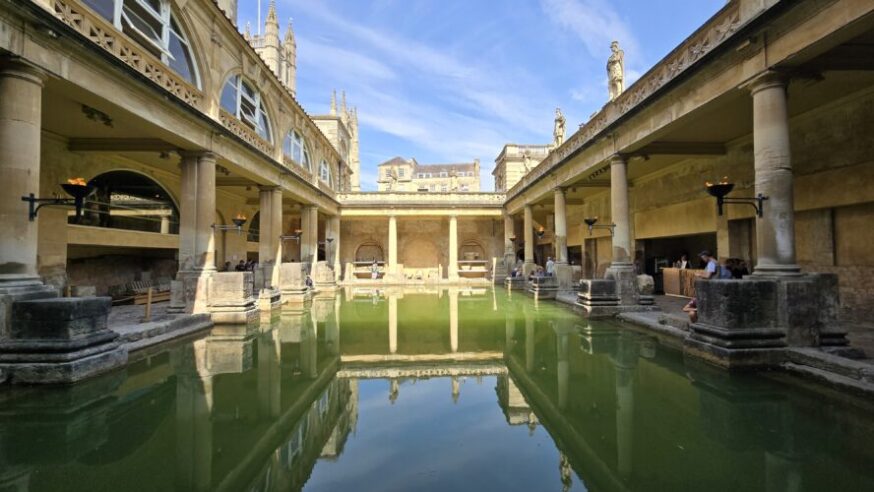 The main pool in The Roman Baths
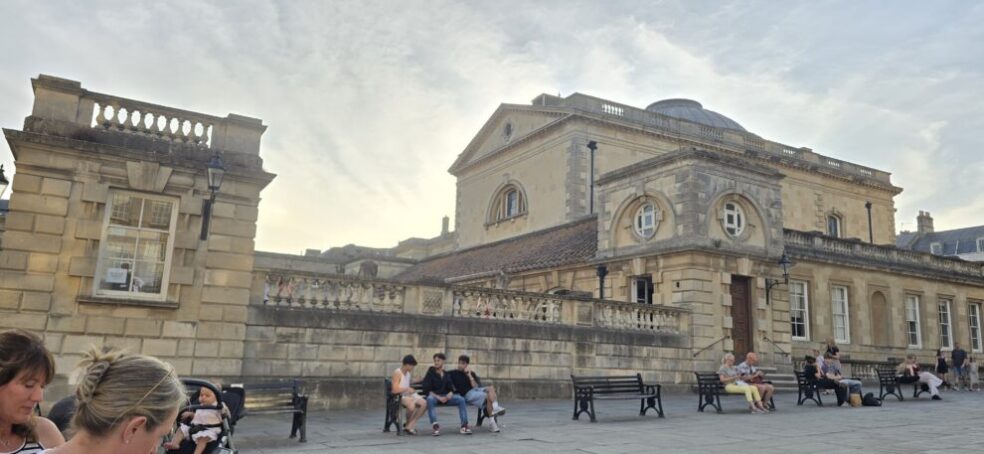 Architecture just outside The Roman Baths
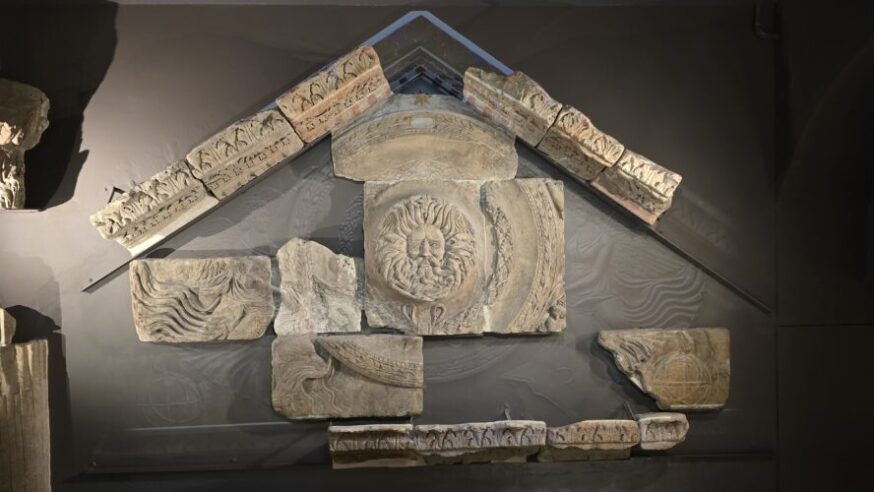 The Temple pediment and Gorgon’s head displayed inside The Roman Baths
As we explored the streets, we learned that Bath’s distinctive appearance owes much to the vision of the architect John Wood the Elder and later his son, John Wood the Younger. During the Georgian period of the 1700s, the two helped transform Bath into one of England’s finest cities by designing many of its most recognizable landmarks.
Among their masterpieces are Queen Square, The Circus, and the magnificent Royal Crescent—all built in the elegant Georgian style using Bath’s warm, honey-colored limestone. Their thoughtful designs created graceful streets and sweeping architectural vistas that continue to define the city’s character centuries later.
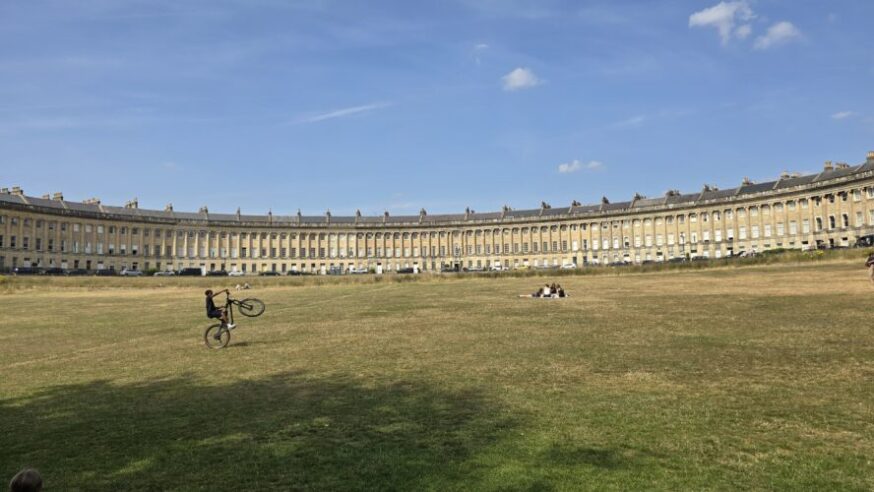
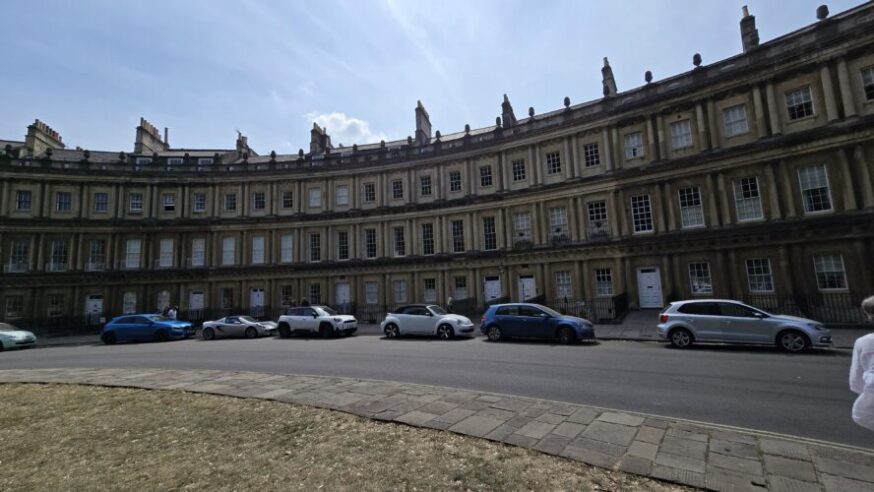
Walking through Bath felt like strolling through a living museum where Roman engineering and Georgian elegance exist side by side. Thanks to Lilly’s fascinating stories, we came away with a much deeper appreciation for how thousands of years of history shaped one of England’s most beautiful cities.
From Prehistory to the Roman Empire
Our day began among one of the world’s greatest prehistoric mysteries and ended walking the elegant streets of one of England’s most beautiful cities. From the towering stones of Stonehenge to the Roman foundations and Georgian architecture of Bath, we experienced nearly 5,000 years of history in a single day.
While Stonehenge continues to leave visitors with more questions than answers, Bath tells a story of innovation, architecture, and civilization that has endured for centuries. Together, these two remarkable destinations offer a fascinating glimpse into the people and cultures that shaped Britain long before the modern era.
It was the perfect introduction to western England and a reminder that some of the country’s most unforgettable experiences aren’t just beautiful—they’re thousands of years in the making.